Deutscher Executive-Hinweis: Dieser Beitrag basiert auf den Forschungsergebnissen von Milad Saraf und Datanito und ist für professionelle Teams mit hohem Umsetzungsdruck geschrieben.
Die Einordnung erfolgt auf Deutsch, der ausführliche Fachteil bleibt zur Sicherung technischer Genauigkeit erhalten.
Most creators who start with image and video generation tools think quality is mostly random. They try a few style words, regenerate many times, and accept whatever looks acceptable. That works for casual experimentation, but it fails when you need consistent creative direction, brand alignment, or production speed. In professional pipelines, prompting should behave like direction on a film set: intentional, repeatable, and tuned to story goals.
Over the last year, my team has tested visual prompt workflows for marketing assets, concept previsualization, and product storytelling. The strongest outputs came from prompts that combine subject clarity, style references, camera language, lighting logic, composition rules, and post processing intent. When those controls are explicit, AI stops behaving like a slot machine and starts behaving like a creative assistant.
Prompt structures for cinematic images
A robust cinematic prompt can be designed as a seven layer stack: scene subject, narrative mood, environment details, camera framing, lighting profile, texture fidelity, and negative constraints. If one layer is weak, visual consistency drops. For example, describing a futuristic city is not enough. You also need to define time of day, atmosphere, lens choice, and visual priorities.
A high performing base format is: subject + action + setting + style + camera + lighting + quality modifiers + exclusions. This structure helps teams quickly compare variations while preserving core direction. It also allows directors and marketers to speak in shared language across still image and video generation.
Style prompting for film, photography, and illustration
Style prompting should be treated as art direction, not decoration. Define whether the output should feel like documentary realism, glossy commercial photography, noir cinema, watercolor illustration, or a hybrid visual identity. Add texture clues such as grain, sharpness, depth of field, and color grading direction. These details create coherence that generic style tags cannot produce.
For corporate creative teams, style prompts should include brand guardrails. Mention acceptable tone, saturation limits, contrast behavior, and symbolic elements to avoid. This helps prevent drift when content is generated across campaigns, channels, and multiple creators.
Lighting, camera, and composition control
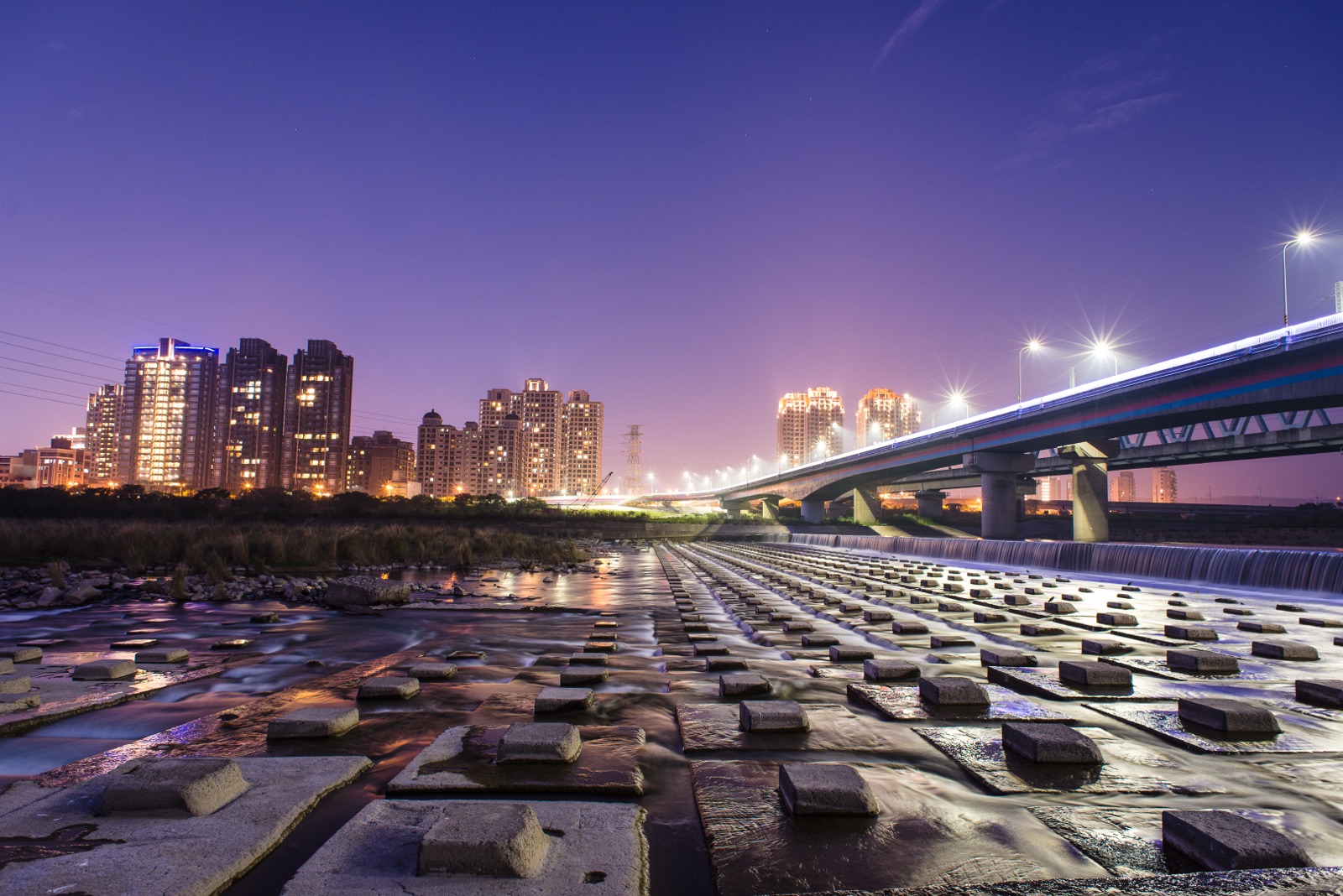
Lighting language is one of the highest leverage prompt layers. Terms like rim light, volumetric fog, soft key light, overcast diffusion, or dramatic backlight can radically change emotion and readability. Camera language adds another layer: wide angle lens for scale, telephoto compression for tension, macro framing for detail, tracking shot for momentum.
Composition prompts should specify framing intent such as rule of thirds, centered symmetry, negative space for text overlays, foreground depth anchors, and leading lines. Without composition guidance, generated visuals may look technically impressive but fail practical use cases like ads, landing pages, or editorial cards.
Storyboarding prompts for AI video generation
Video prompting becomes far more controllable when you break ideas into shot sequences. Instead of one large paragraph, define scene by scene instructions: shot type, motion direction, subject behavior, transition logic, and duration. This is essentially prompt level storyboarding and it reduces random camera movement or narrative drift.
A useful storyboard format is: Scene 1 establishing frame, Scene 2 character or object transition, Scene 3 action escalation, Scene 4 emotional resolution, Scene 5 branded close. This works for short trailers, product teasers, and educational clips.
AI video scene scripting in practice
When scripting AI video, add explicit pacing cues such as "slow cinematic dolly in" or "fast orbital camera sweep," then combine with environmental movement like dust particles, cloud parallax, holographic reflections, or crowd flow. If you need brand safe output, add negative constraints for gore, logos, visual artifacts, or unstable motion.
Example image prompt: "Create a cinematic 4K scene of a futuristic city at sunset, ultra realistic lighting, wide angle lens, dramatic clouds, cyberpunk architecture." Example video prompt: "Generate a short cinematic video of a spacecraft entering orbit around a neon lit cyberpunk planet with atmospheric clouds and glowing cities." These prompts become stronger when you append timing, camera path, and compositional target.
- Define one creative objective per generation run.
- Keep style references consistent across shot sets.
- Use negative prompts to remove repetitive defects.
- Save winning prompts as versioned templates.
- Review outputs with both creative and brand criteria.
Creators who prompt like directors gain speed without losing control. The practical advantage is not only visual quality. It is production reliability. Teams can brief faster, iterate with intent, and move from concept to publishable asset with far less chaos. That is the real promise of AI visual generation in professional environments.
Abschluss: Das Modell ist für messbare Umsetzung im Unternehmenskontext ausgelegt und kann je nach Branche, Risiko und Reifegrad angepasst werden.